
Blog · 9 min read · Updated September 2026
How Much Does Water Damage Restoration Cost?
Nobody can quote your house over the phone honestly — but you can absolutely understand what drives the number before anyone shows up. Here's how restoration pricing is actually built, and where homeowners get surprised.
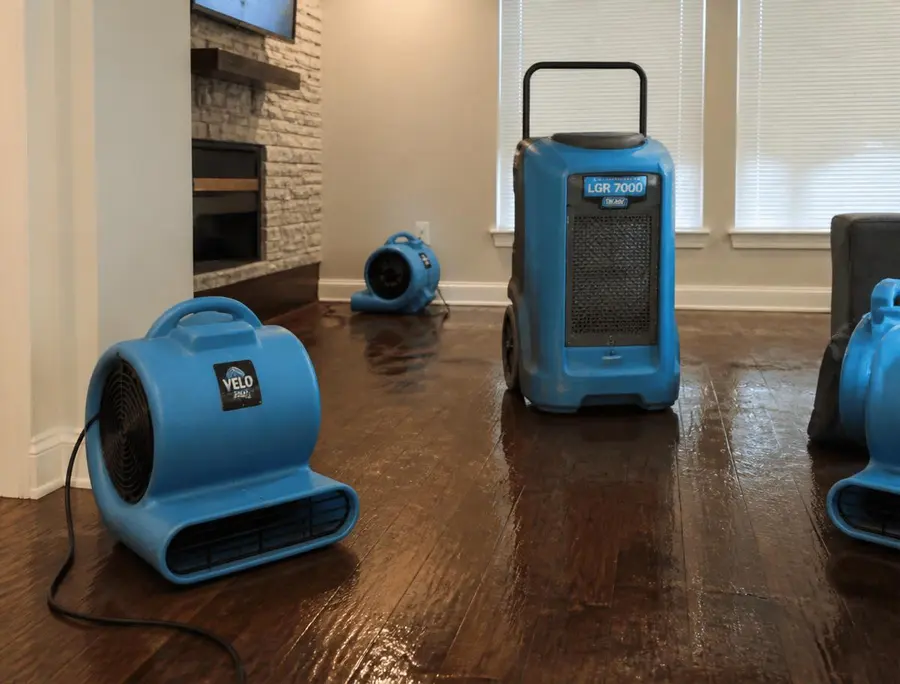
Restoration bills feel arbitrary until you see how they're assembled. They're not one number — they're two phases stacked together, and confusing them is the single biggest source of sticker shock.
- Mitigation — stopping the damage: extraction, controlled demolition, drying equipment, antimicrobial treatment, monitoring. Time-sensitive, usually billed on standardized industry line items.
- Restoration / rebuild — putting it back: drywall, paint, trim, flooring, cabinetry. Not urgent, and this is where you can genuinely shop around.
The five things that move the price
1. Water category (biggest single factor)
- Category 1 — clean: a supply line, a tub left running, a water heater tank. Cheapest, and more materials can be dried in place.
- Category 2 — grey: dishwasher, washing machine, shower drains. Some porous materials get removed rather than dried.
- Category 3 — black: sewage, toilet backflow, ground intrusion. Requires containment, PPE, disposal, and mandatory removal of carpet pad, drywall and insulation. Costs multiply here.
Same square footage, three very different invoices. Time also degrades category: clean water sitting in a warm structure for days behaves closer to Category 2.
2. Affected square footage — and how many surfaces
Providers measure the wet envelope, not the puddle. Water wicks up drywall, travels under baseboards, and moves along subfloor seams. A 40-square-foot puddle routinely maps to a 200-square-foot wet zone across three rooms once someone runs a meter.
3. Drying days and equipment count
Equipment is usually billed per unit per day. A room needing four air movers for three days is a fraction of a job needing twelve units for seven. Dense assemblies — hardwood over plywood, plaster, tile on slab, closed wall cavities — hold moisture stubbornly and often need drying mats, injection systems, or cavity ventilation.
4. What has to be removed
Wet fiberglass insulation, carpet pad, MDF trim, particleboard cabinet bases and laminate flooring rarely come back. Solid wood, tile, concrete and even drywall often can be saved if drying starts early. Every hour of delay shifts items from the "dry it" column into the "demo and replace it" column — and the second column is where the money goes.
5. Access, height and hidden extras
Crawlspaces, attics, vaulted ceilings, tight basement stairs, asbestos-era materials requiring testing, after-hours emergency response, and content pack-outs all add labor.
How insurance usually treats it
The recurring theme in claim denials is not cost — it's cause and timeline.
- Usually covered: sudden and accidental discharge — burst pipe, failed washer hose, ruptured water heater, overflowed appliance.
- Usually not: long-term seepage, a leak "you should have noticed," deferred maintenance, and surface water or flooding (that needs separate flood coverage).
- Often disputed: mold that developed because drying was delayed. Many policies cap mold coverage regardless of cause.
Practical steps that protect your claim:
- Photograph and video before touching anything — wide, then close.
- Report promptly and get the claim number in writing.
- Keep every receipt, including towels, buckets and a rental dehumidifier.
- Ask your provider for daily moisture logs and a written scope of work.
- Don't throw out damaged materials until the adjuster has seen or approved it.
Where DIY genuinely makes sense — and where it doesn't
A cup of water on tile, caught immediately? Towels and a box fan. A supply line that ran for two hours into carpet over a wood subfloor? That water is already in the pad, the tack strip, the baseboard and the subfloor, and a household dehumidifier will not pull bound moisture out of framing. It will, however, produce a surface that feels dry while the cavity quietly stays at 30% moisture content — which is exactly the setup for the mold call six weeks later.
If you're already there, see black mold on walls: who to call and what not to do. And if this started with a stain overhead, here's the ceiling-specific walkthrough.
Questions worth asking before you authorize work
- Are you providing daily moisture readings and a drying log?
- Which materials are you drying in place versus removing, and why?
- Is the mitigation scope separate from the rebuild estimate?
- Will you bill my insurer directly, and what's my out-of-pocket estimate?
- Are you licensed and insured for this work in my state?
To talk through your situation with a local provider, call (866) 227-7792. This site connects homeowners with independent contractors/providers; pricing, licensing and availability vary by market.
Questions homeowners ask most
- What does water damage restoration usually cost?
- Pricing is built from the size of the wet area, the water category, how many drying days the structure needs, and how much material has to be removed. A single damp room caught within a day sits at the low end; multi-room damage with contaminated water, saturated insulation and cabinetry sits far higher. Reputable providers give a written scope with moisture readings rather than a flat phone quote — call (866) 227-7792 to get connected with an independent local provider who can assess your situation.
- What are the three water categories and why do they change the price?
- Category 1 is clean water from a supply line or a tub overflow. Category 2 is greywater from washing machines, dishwashers or shower drains. Category 3 is contaminated black water from sewage, toilet backflows or ground-level intrusion. Higher categories require more protective equipment, containment, antimicrobial treatment and mandatory removal of porous materials like carpet pad and drywall, so labor and disposal costs climb sharply.
- How many days does structural drying take?
- Most residential jobs run roughly three to five days of active drying with air movers and dehumidifiers, verified daily with moisture readings. Dense assemblies — hardwood, plaster, tile over concrete, closed wall cavities — often take longer or need specialty mats and injection drying, which extends equipment charges.
- Does homeowners insurance cover water damage restoration?
- Standard policies generally cover sudden and accidental discharge, such as a burst pipe, a failed supply hose or an overflowing appliance, minus your deductible. Gradual seepage, long-neglected maintenance, and flood or surface-water intrusion are usually excluded; flood requires a separate policy. Documentation and prompt reporting materially affect the outcome of a claim.
- Can I dry water damage myself with fans and a home dehumidifier?
- Consumer fans and a household dehumidifier can help a small surface spill on hard flooring. They cannot pull bound moisture out of framing, subfloor or insulation, and they do not document the structure reached dry standard. If water reached drywall, cabinets, insulation or subfloor, or if more than about 24 hours have passed, professional equipment and moisture verification are the practical route.
- Should I get more than one estimate?
- Yes for planned repairs. For active water, mitigation is time-sensitive and delaying to collect bids can increase both the damage and the risk of a reduced claim payout. A common approach is to authorize emergency mitigation immediately, then compare estimates for the rebuild phase afterward.
Keep reading
- Who to Call for a Water Stain on the CeilingPlumber, roofer, HVAC or restoration — how to tell which one you need.
- Black Mold on Walls: Who to Call, and What Not to DoTesting vs. remediation, and the cleaning mistake that spreads spores.
- All homeowner guidesEvery article on water damage, drying, mold and restoration costs.
Not sure who to call first?
One quick call connects you with an independent local provider who handles water damage and mold-related work in your area.